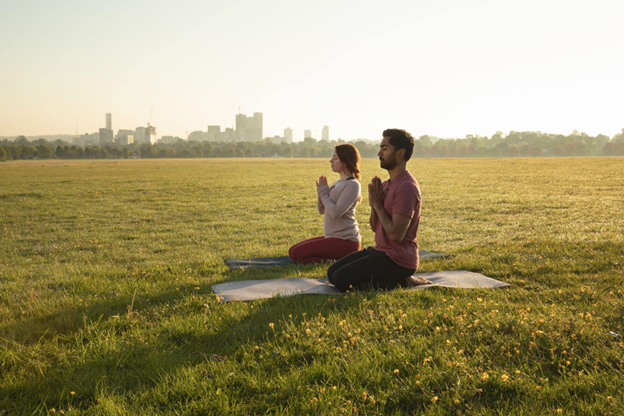
In 2026, many people are rethinking what wellness truly means, and individuals like Marissa Corbett of Shamong, NJ, reflect a growing interest in slower, more intentional ways of living that prioritize nature, balance, and long-term health. Small-town communities are leading that shift as trends move away from high-pressure urban routines.
Why Small-Town Wellness Is Becoming So Influential
Cities’ boutique fitness studios, high-tech gyms, and rapid-fire routines designed to ‘maximize productivity’ drove wellness trends for years. However, many people began to realize that health doesn’t flourish in constant motion. Small towns, with their quieter pace and built-in connection to the outdoors, offer a distinct environment that supports recovery, mindfulness, and sustainable habits.
This shift isn’t about abandoning modern life. Instead, it’s about rediscovering simple elements that improve well-being: cleaner air, community ties, natural movement, and less digital overwhelm. These qualities are pushing nature-focused wellness into mainstream conversations for 2026.
Reconnecting With the Outdoors
One of the strongest wellness themes emerging this year is the return to outdoor living. Small towns make this effortless. Whether it’s local trails, open fields, lakes, or wooded recreation areas, these spaces create natural opportunities for daily movement.
Walking, hiking, running, and cycling offer more than physical benefits. Time outside reduces cortisol levels, stabilizes mood, and improves attention spans, all without requiring rigid routines. Many people now view outdoor activity as a form of preventive health rather than an optional activity.
And because small communities often preserve natural landscapes, residents can create habits around the environment instead of squeezing nature into an overcrowded schedule.
The Rise of Community-Centered Wellness
Another trend gaining momentum is the return to community-based well-being. People are realizing that health isn’t only about nutrition and fitness; it’s also about connection.
Small towns often form the foundation for shared habits like
- Local walking groups
- Community-supported agriculture
- Weekend events centered on wellness or family activities
- Informal networks that create support and accountability
These environments build a sense of belonging, which is increasingly understood as a major factor in mental and emotional resilience. Researchers have long noted that loneliness is as damaging as physical inactivity. By contrast, community involvement supports stability and long-term motivation.
As more people reconnect with neighbors and shared spaces, wellness feels less like a personal task and more like a collective experience.
Slower Living as a Wellness Strategy
The pressure for constant productivity has left many feeling overwhelmed, and the wellness industry is responding in a new way: by encouraging slower, more sustainable routines.
Nature-focused small-town living naturally supports this. Daily life tends to move at a more manageable pace, giving people room to:
- Cook meals at home
- Spend quality time outdoors.
- Prioritize sleep
- Establish predictable rhythms
- Reduce overexposure to screens.
These changes don’t require dramatic lifestyle overhauls; they simply emerge from an environment that doesn’t demand nonstop mom overhauls. As a result, ‘slow wellness’ is becoming one of 2026’s defining trends, emphasizing recovery just as much as activity.
Local Food and Farm-to-Table Health
Small towns often make fresh, locally grown food more accessible. Farmers’ markets, community gardens, and regional producers create opportunities to build healthier eating habits with fewer processed foods.
This farm-to-table mindset has become increasingly popular, especially among people seeking more natural approaches to nutrition. Instead of complicated meal plans, individuals are returning to whole foods and seasonal produce, a simple, grounded approach that supports immunity and long-term energy.
With rising interest in gut health, anti-inflammatory diets, and environmentally conscious choices, local food systems have become a major part of modern wellness culture.
Digital Balance and Reduced Screen Fatigue
One of the greatest challenges of modern living is constant digital exposure. Notifications, news cycles, and social media feeds make it difficult to disconnect, especially in cities where digital culture dominates daily life.
Small-town environments naturally encourage better boundaries. Outdoor spaces, local gatherings, and community routines help reduce dependence on screens. People may still work online or connect digitally, but the environment supports a healthier balance between being plugged in and being present.
In 2026, this shift will be particularly significant, given the increasing prevalence of digital burnout and the growing demand for environments that promote mental rest.
A More Holistic View of Health
Overall, small-town living supports wellness in a way that integrates physical, mental, emotional, and social well-being. Trends or specialized programs do not drive it; it’s driven by lifestyle.
People are increasingly drawn to this holistic model because it feels attainable. Instead of chasing perfection, wellness becomes a steady, ongoing practice shaped by environment, community, and access to nature.
As society looks beyond fast-paced culture, the features of small-town life are gaining recognition as valuable tools for long-term health. The simplicity, space, and natural rhythms found in these communities are redefining what it means to live well in 2026.